WalkSutra Physiotherapy

It doesn’t usually begin with severe pain.
But slowly…
Even raising your hand to wave at someone can become difficult.
For many people, Frozen Shoulder doesn’t only limit movement.
It slowly takes away confidence.
At WalkSutra, we understand that losing shoulder movement affects far more than the shoulder itself.
And the freedom to move without thinking.
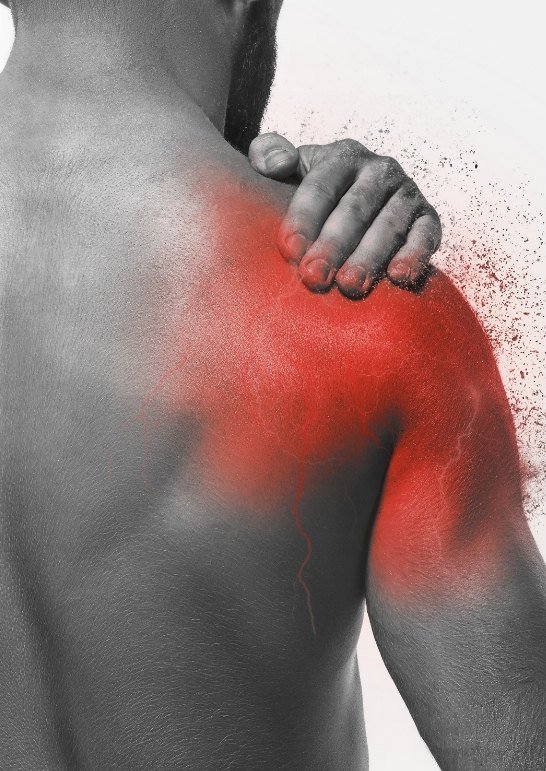
Frozen Shoulder, also known as Adhesive Capsulitis, occurs when the capsule surrounding the shoulder joint becomes painful and stiff, leading to a gradual loss of movement. Although it often develops over time, many people delay seeking treatment, hoping the stiffness will disappear on its own.
The good news is that rehabilitation can play an important role in improving shoulder mobility, reducing pain, and restoring function throughout the different stages of recovery.
Every shoulder tells a different story.
Some people develop Frozen Shoulder after an injury.
Others after surgery.
Some people with diabetes or thyroid disorders have a higher risk of developing the condition.
For many individuals, no obvious cause is identified.
Because every case is unique, rehabilitation should never follow the same programme for everyone.
Our rehabilitation begins with a comprehensive shoulder assessment.
We evaluate shoulder mobility, joint stiffness, muscle strength, movement quality, posture, shoulder blade mechanics, pain behaviour, daily activities, and the tasks that matter most to you.
Instead of asking only,
“How far can you lift your arm?”
We ask,
“What movements have you stopped doing because your shoulder no longer allows them?”
Because recovery is about restoring meaningful function—not simply improving range of motion.
Our rehabilitation programmes combine evidence-informed physiotherapy, gentle mobility restoration, joint mobilisation where clinically appropriate, stretching programmes, strengthening exercises, scapular stabilisation, posture correction, movement retraining, activity modification, and personalised home exercise programmes that progress as your shoulder improves.
When clinically appropriate, advanced rehabilitation technologies may complement active rehabilitation. These may include Class IV Laser Therapy, TECAR Therapy, Therapeutic Ultrasound, Microcurrent Therapy, Neuromuscular Electrical Stimulation (NMES), and digital movement assessment to support rehabilitation. These technologies are used to complement—not replace—active exercise and functional recovery.
Recovery from Frozen Shoulder requires patience.
Trying to force movement too quickly may increase pain, while avoiding movement altogether can allow stiffness to progress.
The best rehabilitation programme is one that respects the stage of your condition and progresses safely as your shoulder begins to recover.
At WalkSutra, we celebrate every milestone.
Because rehabilitation is not simply about increasing shoulder movement.
It is about giving you the freedom to use your arm naturally again.
Every rehabilitation programme begins with understanding shoulder mobility, joint stiffness, muscle strength, posture, scapular mechanics, and the everyday activities that have become difficult.
Frozen Shoulder progresses through different stages. Your rehabilitation programme is tailored to your stage of recovery, symptoms, and functional goals.
Our rehabilitation combines therapeutic exercise, movement science, manual therapy where appropriate, and patient education to improve mobility, reduce pain, and restore shoulder function.
When clinically appropriate, rehabilitation may incorporate Class IV Laser Therapy, TECAR Therapy, Therapeutic Ultrasound, Microcurrent Therapy, Neuromuscular Electrical Stimulation (NMES), and digital movement assessment to complement active rehabilitation.
Our goal extends beyond reducing pain. We help you regain the confidence to dress independently, sleep comfortably, drive safely, work efficiently, and return to the activities that matter most.
A frozen shoulder may limit your movement.
It should never limit your life.
Whether your symptoms started recently or you’ve been living with shoulder stiffness for months, our rehabilitation team is here to help you restore mobility, rebuild confidence, and return to the activities you enjoy.
Book your comprehensive Frozen Shoulder assessment at WalkSutra and begin your journey towards smoother movement, greater comfort, and lasting shoulder health.